History of Ancient Egypt
Ancient Egypt, a civilization that flourished along the Nile River, is known for its incredible achievements in architecture, art, and governance. The worship of deities, especially Horus, played a pivotal role in the daily lives of the Egyptians.
The Significance of Horus
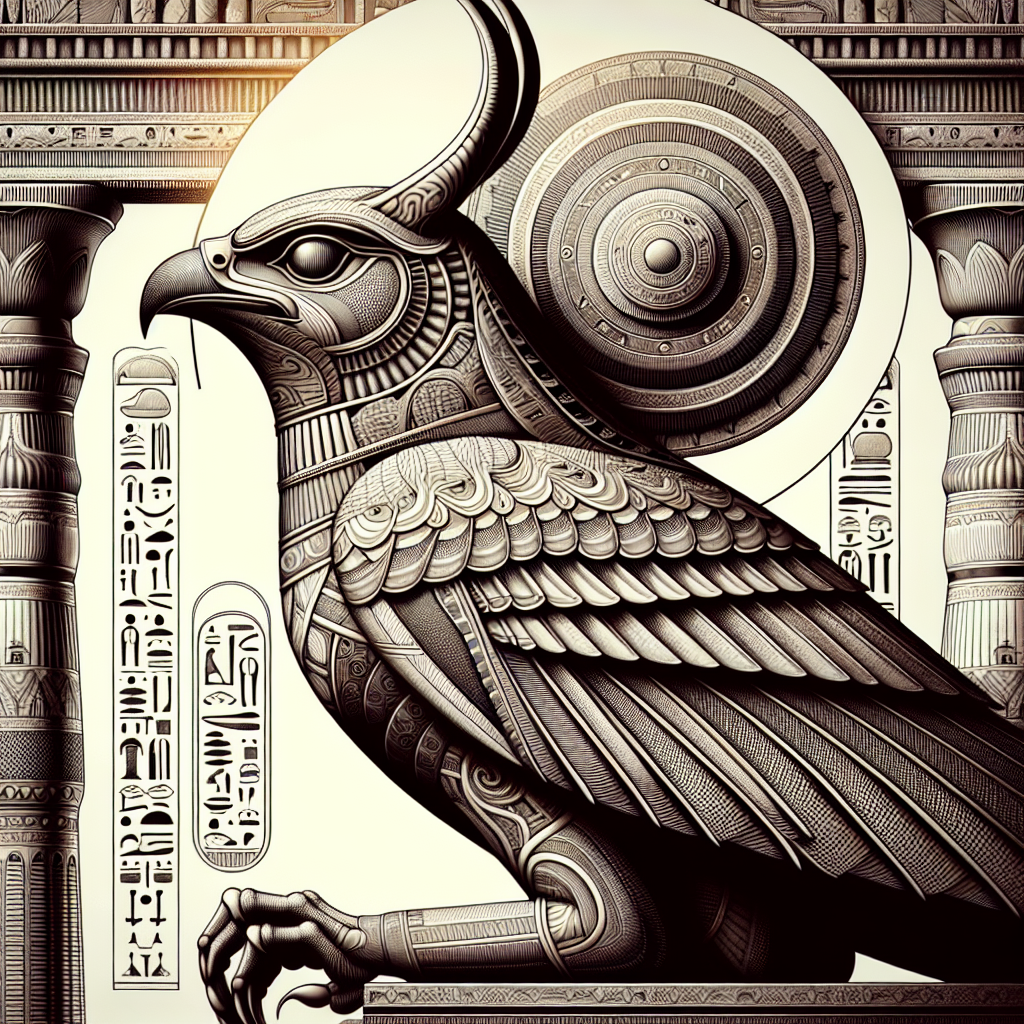
Horus, the sky god, symbolized the sun and the protection of the pharaoh. He was often depicted as a falcon or a man with a falcon's head. The ancient Egyptians believed that the pharaoh was the living embodiment of Horus, serving as a mediator between the gods and the people.
Solar Worship Practices
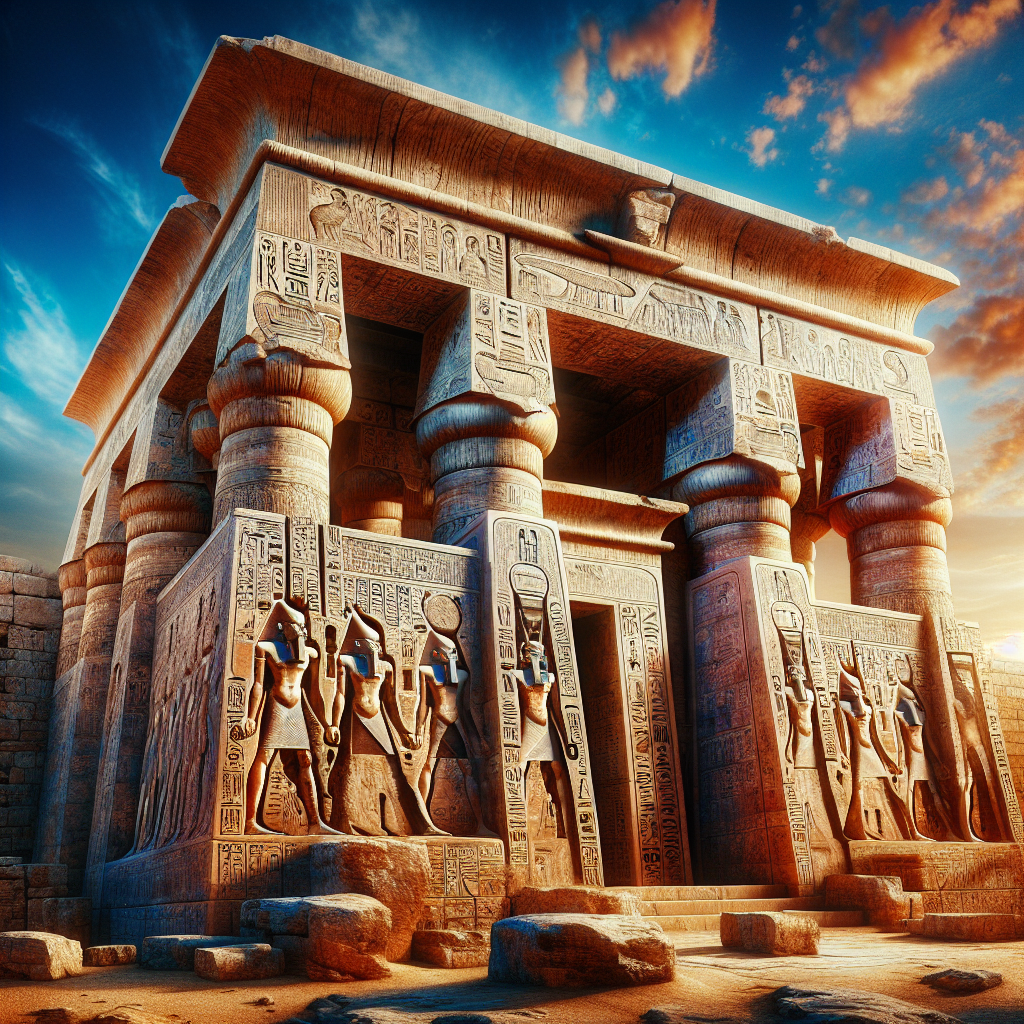
Solar worship was central to ancient Egyptian religion. The sun was considered the source of life, and rituals were performed to honor Ra, the sun god, who was closely associated with Horus. Temples dedicated to solar deities were built to celebrate and ensure the sun's daily journey across the sky.
Conclusion
The legacy of Horus and the sun worship practices of ancient Egypt continue to influence modern culture, showcasing the profound connection between mythology, history, and the natural world. Understanding these elements provides invaluable insight into one of the world's earliest civilizations.